Why Shared Virtual Pet Worlds Feel More Dynamic
Learn how shared virtual pet worlds create more dynamic gameplay through multiple characters, rotating routines, and mini-games that scale across ages and play styles.
Read more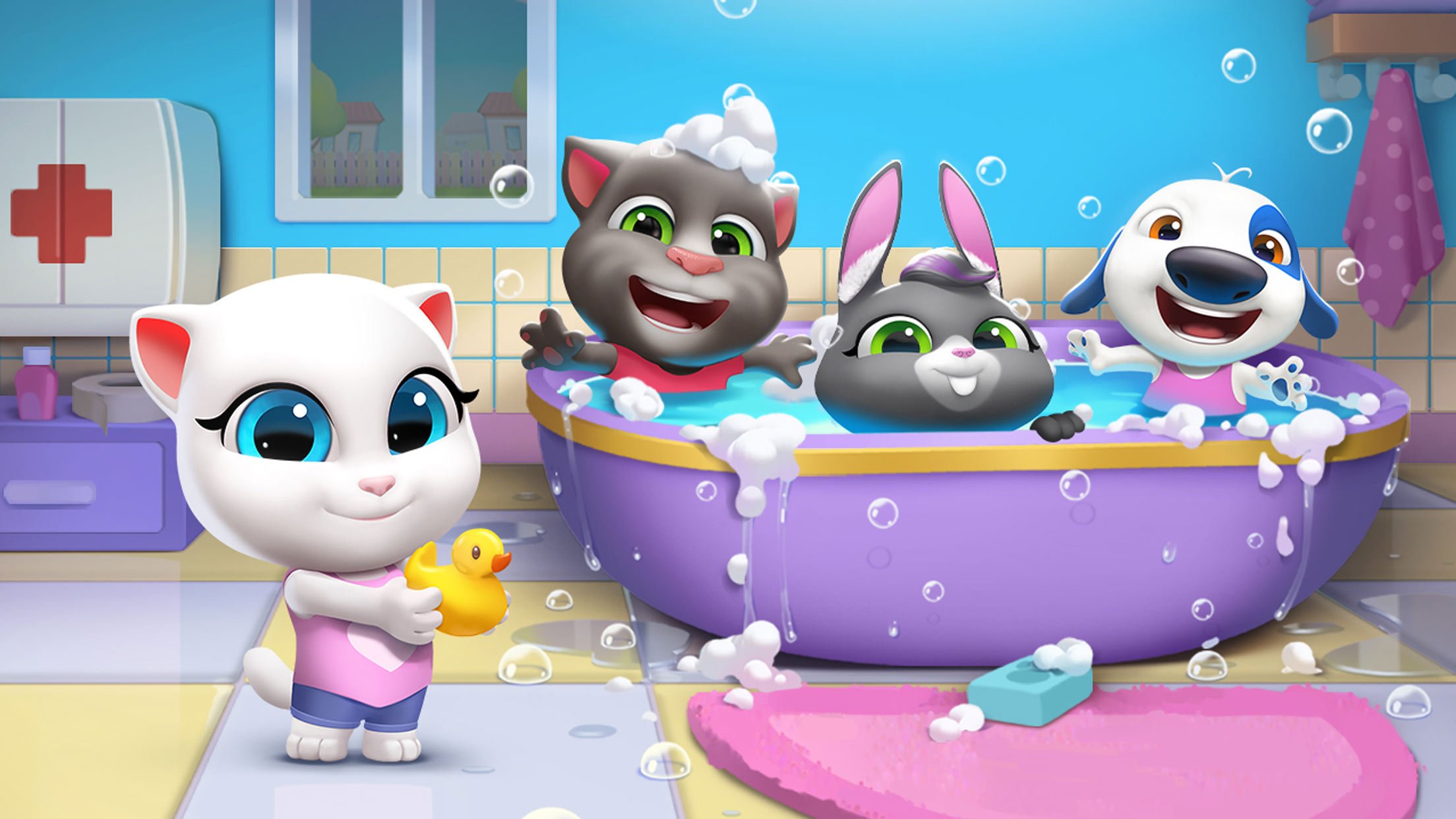
Virtual pet games are often built around daily routines rather than traditional progression systems. Instead of completing levels or missions, players return to the game to take care of characters, manage activities, and maintain a sense of balance.
These routines create a steady rhythm of play, where small, repeated actions form the core gameplay experience.
At the center of virtual pet games is the idea of ongoing care.
Players regularly:
feed characters
help them rest
keep their environment clean
respond to changing needs
These actions are simple on their own, but together they create a continuous gameplay loop that encourages players to return.
Routine-based gameplay is designed to be flexible.
Players can:
check in for a few minutes
complete a few tasks
return later without losing progress
This structure allows the game to fit naturally into daily life, rather than requiring long, uninterrupted sessions.
When multiple characters are part of the same environment, routines become more dynamic.
Players switch between characters who:
have different needs
take part in different activities
interact within shared spaces
This creates overlapping routines that make the game world feel more active and interconnected.
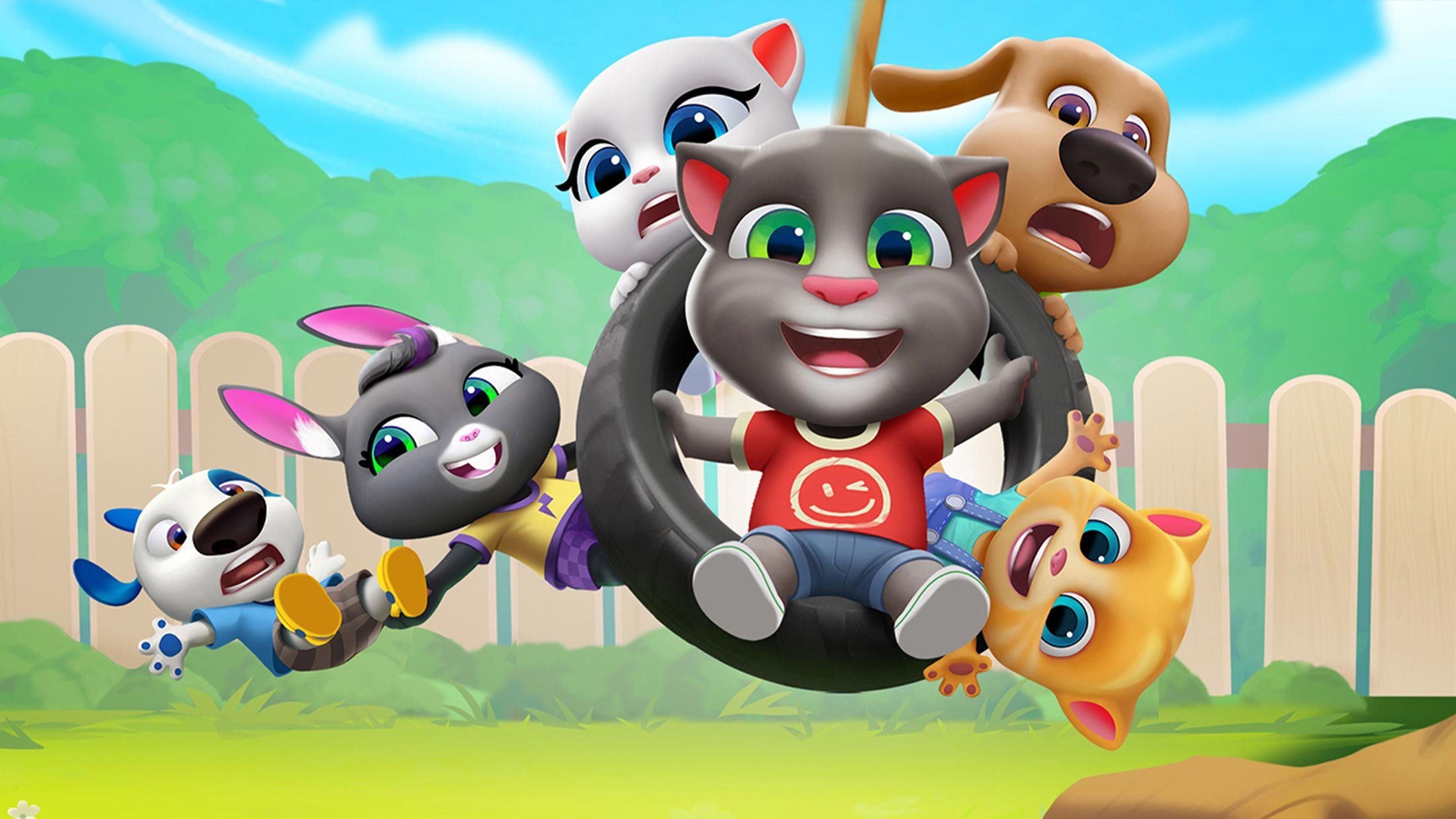
In My Talking Tom Friends, several characters live together in one home, and players manage their daily routines across shared spaces. Feeding, cleaning, resting, and playing all happen within the same environment, creating a continuous flow of interaction throughout the day.
Because multiple characters are active at the same time, routines feel less repetitive and more like a shared experience.
Daily routines turn gameplay into something familiar and repeatable.
By focusing on small, consistent interactions, virtual pet games create a system that encourages regular engagement. Players return not just to progress, but to maintain and evolve the routines they have built.
Learn how shared virtual pet worlds create more dynamic gameplay through multiple characters, rotating routines, and mini-games that scale across ages and play styles.
Read more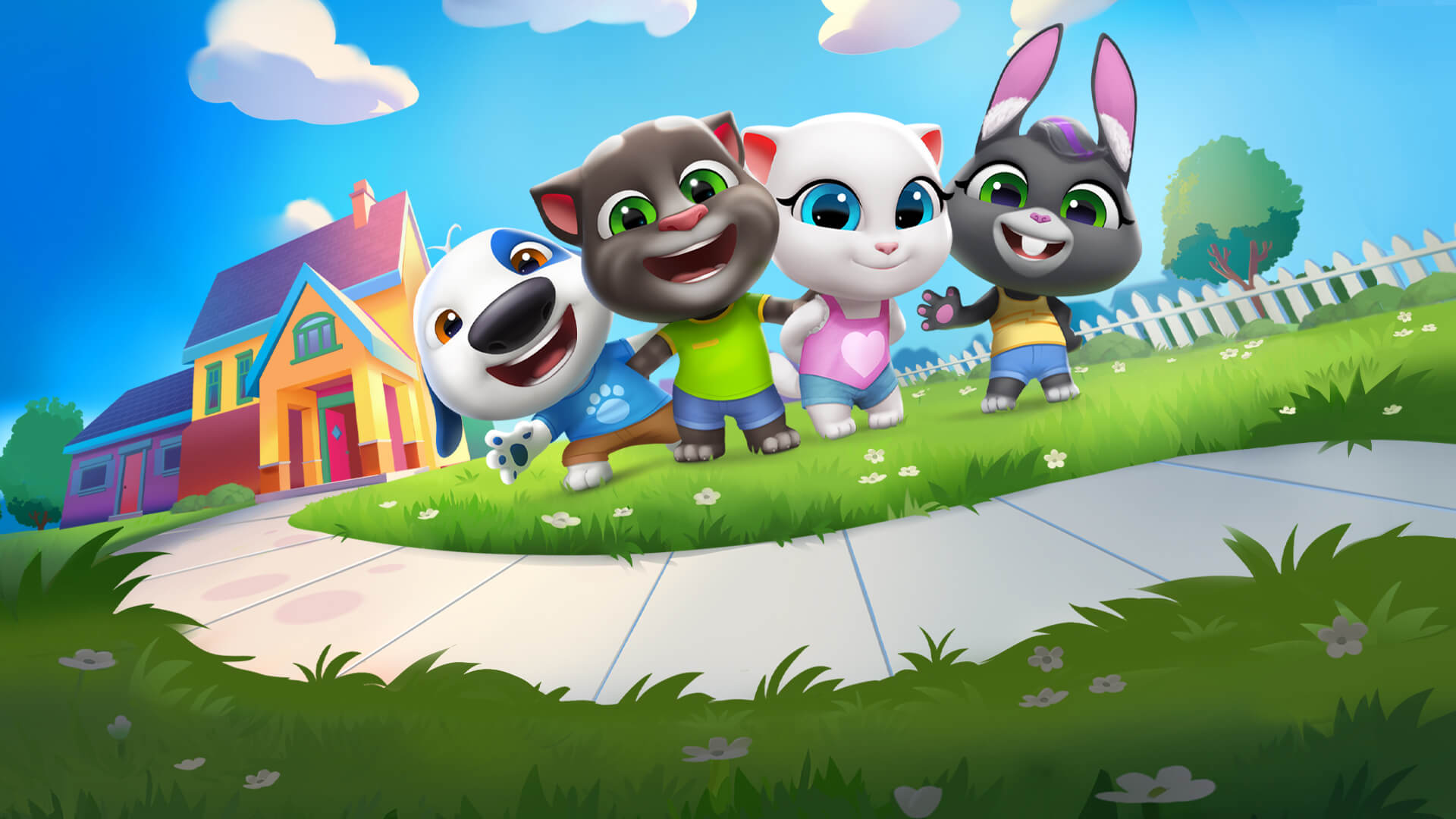
A guide to fun free family games where players interact with multiple characters in one world, exploring how shared virtual pet gameplay and mini-games support different ages and skill levels.
Read more